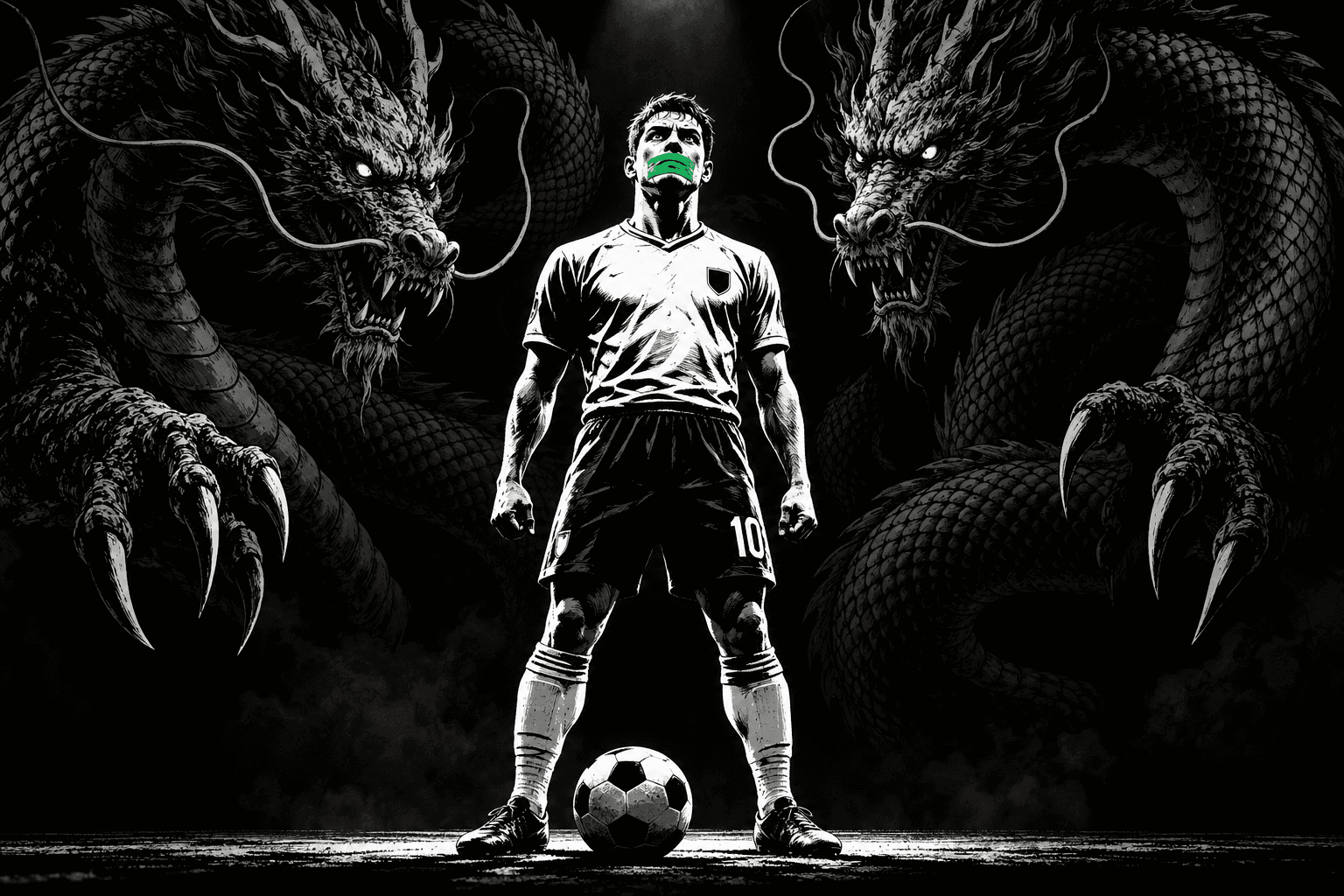
It all started with an informal question. While preparing to record an interview for the French programme The Bridge, Kylian Mbappé was asked which was his favourite meme among the many circulating about him. He replied: 'The one that has made me laugh the most is the one where they use my face on a Chinese dictator. I use it a lot with my friends.' He did not say the name Mao Zedong, but he was referring to a well-known montage in which his face appears over the official portrait of the founder of communist China. Calling Mao a dictator is a description widely shared by historians outside China. Inside the country, criticism of the Communist Party's historical leaders is not considered opinion but an offence.
The reaction was immediate. Three consumer goods companies, Dongpeng, Mengniu and Milkground, terminated their contracts with the player. State television, China Media Group, stopped broadcasting LaLiga from the night of 26 October, not just Real Madrid matches. The Foreign Ministry spokesman warned that words that hurt the feelings of the Chinese people would be rejected by the whole of society, and the Chinese Football Association lodged a formal protest.
Mbappé apologised the following day in French, English and Chinese. Javier Tebas did the same on behalf of LaLiga and all its clubs, met with the Chinese ambassador in Spain and has not ruled out travelling to Beijing. Neither apology has worked. China Media Group has described them as insufficient, warned that it will listen to their words and watch their actions, and has raised the stakes: it now makes a return to normality conditional on an apology from Real Madrid itself. In other words, each apology does not close the conflict but opens the next demand. The club, which has not published any statement, maintains according to the press that this was a personal comment by the player.
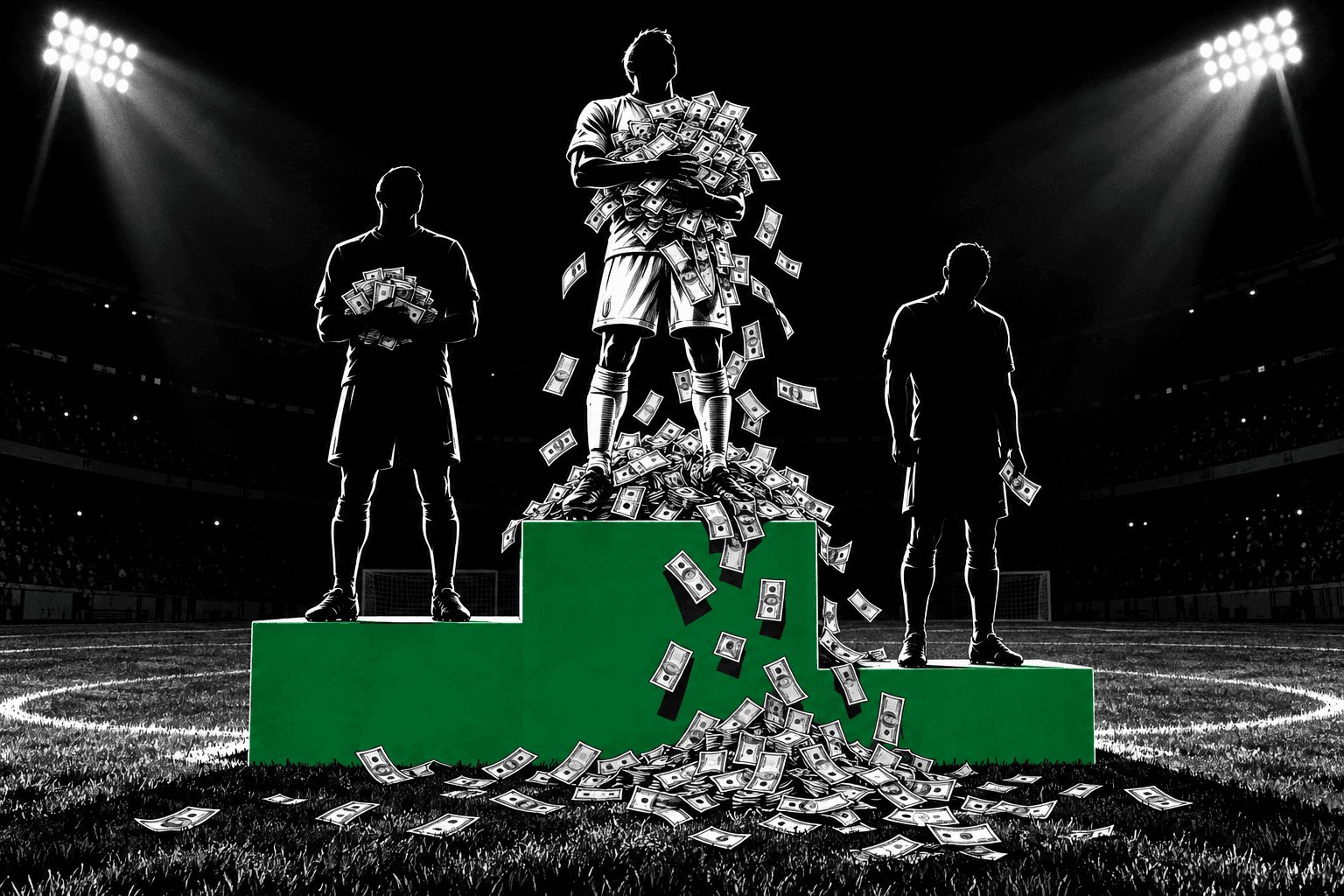
The first bill is Mbappé's. According to Forbes, he earns around 30 million dollars a year off the pitch, and part of that money came from these Chinese brands that filled billboards, metro stations and lifts in the country's major cities, especially since the World Cup. The value of those contracts is not public, but their loss, and the impossibility of his global sponsors using his image in China for as long as the ban lasts, is a serious blow to his personal business. Serious, but manageable for a player with his contract and his major international brands, which have not yet made a move.
The second bill is Real Madrid's, and it is more political than economic. The club closed the 2025-26 season with record revenues of 1,221 million euros and does not publish how much comes from China, but all indications are that the immediate impact is small given its size. The problem is the dilemma it now faces. If it apologises as an institution, it accepts responsibility for an opinion a player expressed in a personal capacity on an external platform, and concedes that a foreign government gets to decide what its players can say. And nothing guarantees that its apology would be sufficient when the previous two have not been. If it does not, it risks its business in the country: academies, licences, merchandise, tours. And it arrives weakened, because this is the fourth episode involving China in just over two years: the embassy protest over a supporter's insults in 2024, the apology on behalf of Huijsen in February and the controversy over a message about Tibet in September. The difference is that this time China has moved from complaints to cutting the signal.
The third bill is LaLiga's, and it is the one that explains why Tebas apologised on behalf of clubs that have nothing to do with any of this. Spanish football's television rights are sold collectively and the money is distributed among all clubs. Chinese state television had been broadcasting two matches per round free-to-air since the 2024-25 season, and that has disappeared. LaLiga retains a contract until 2030 with Migu, the China Mobile platform that broadcasts all matches, and so far there is no indication that it has been affected. But if the ban spreads, the risk is significant: the newspaper Vozpópuli estimates that LaLiga's business in China amounts to around 400 million euros through to 2030. That money is also collected by Getafe, Alavés and Leganés, clubs that have nothing to do with what Mbappé said and that depend far more than Madrid on the television distribution.
The precedent that causes most concern is the NBA's. In 2019, the general manager of the Houston Rockets published a message of support for the Hong Kong protests. Chinese state television stopped broadcasting the league, several Chinese sponsors left and the NBA itself acknowledged losses of between 300 and 400 million dollars. Regular broadcasts took almost two and a half years to return, and the league did not play games in China again for six years. Back then, apologies did not work either.
The case leaves a lesson that goes beyond Mbappé. In global football, having an opinion about China carries a price, it is not paid only by the person who speaks and it cannot be cancelled by saying sorry. Beijing is not looking for an apology: it wants to make clear how much speaking costs, and it wants everyone else to see it. The question that remains open for Spanish football is an uncomfortable one: how much freedom of expression from its stars is it willing to defend when the bill is paid by twenty clubs and not even kneeling guarantees that it will end.