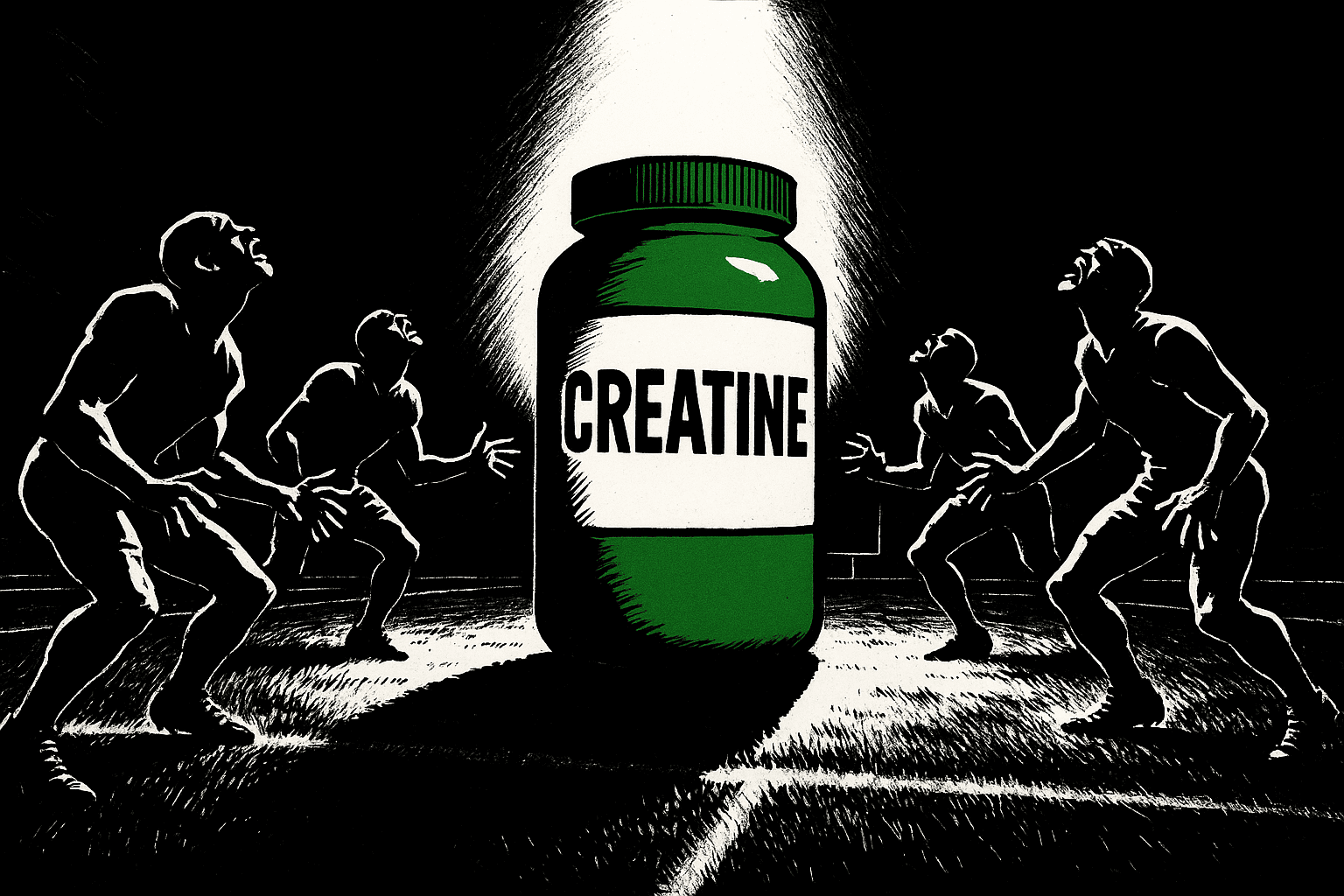

On 10 September 2026, LaLiga set FC Barcelona's squad cost limit at 582.76 million euros, the second-highest figure in Spanish football, behind only Real Madrid and well above Atlético. The jump from the previous review is striking, almost one hundred and fifty million euros of extra headroom, and the conclusion that will circulate through headlines and talk shows writes itself: Barça is back, Barça is cured, the nightmare that once left Messi without a place at his own club is over. It is worth stopping right there, because that reading is not merely debatable, it is flat-out wrong. The wage limit does not measure a club's financial health. It measures something else entirely, and much of the noise of these days stems from treating one thing as if it were the other.
To understand what has just happened, you need to understand what that number really is. The squad cost limit is a forward-looking, ex-ante calculation that LaLiga carries out before the transfer window opens. It takes the revenues the club projects for the season, subtracts what goes on costs other than the squad and on servicing debt, and whatever is left is the maximum the club is permitted to spend on wages and signings. Put more bluntly, it is an administrative authorisation to register players, not a bank balance. The day LaLiga raises Barça's limit, not a single new euro appears in the club's coffers. The only thing that changes is the legal ceiling below which the club can sign contracts without the league's computer system blocking them. It is the difference between having your credit-card limit raised and receiving an inheritance. The first is what happened this week. The second did not.
That said, it would be unfair to dismiss the increase as an accounting trick, because an important part of it is real and recurring. The limit grows mainly because the club's commercial machine is turning again. The gradual return to the Spotify Camp Nou, after the years of reduced capacity at Montjuïc, sends revenues from tickets, season tickets, experiences and the museum soaring, and that line is projected to nearly double compared with the exile season. Add to that the record performance of the licensing and merchandising business and the renegotiated Nike sponsorship deal, two revenue streams that depend on no one being sold and on no extraordinary transaction, simply on the club remaining a brand that generates income. That part of the increase is the genuinely good news: Barça's ordinary business produces more operating cash today than it did two years ago, and that is a foundation on which something can be built.
The problem is that another part of that headroom is of a very different nature, and that is where the triumphalist narrative starts to unravel. Buried inside those one hundred and fifty million extra euros are player-sale gains and the regularisation of VIP seat licences for the new stadium, in other words, revenues that happen once and do not return. Selling players in order to register players inflates this year's ceiling but creates no stable base for the next, and when those revenues fail to repeat, the margin narrows again. A club that needs that kind of operation to breathe every summer has not solved its problem, it has deferred it. And deferring is precisely the verb that defines Barça's real situation, because what the higher limit does not say is far more important than what it does.
The first thing that number does not demonstrate is that the club has reduced its debt. On the contrary. With accounts closed to June 2026, net debt under the league's own criteria does not fall, it rises by almost thirty per cent, and total financial debt, once all the liabilities from the stadium renovation are added, stands at around two thousand five hundred million euros. The wage limit can grow while overall debt hits record highs, because one does not cancel the other: a club can have permission to spend more on wages and owe more money than ever at the same time. The second thing it does not demonstrate is that the club has emerged from technical insolvency. Barça's net equity remains negative, around one hundred and seventy million euros below zero, and it is not improving, it is worsening for the third consecutive year. A club can have the capacity to register a championship-winning squad while its own funds remain destroyed by the accumulated losses of previous seasons, because the wage limit does not require that hole to be filled before allowing spending.
And the third thing, perhaps the most revealing, is that permission to spend does not guarantee that liquid cash is available to pay. The figure that best captures the club's cash-flow tension is the debt-service cost of the stadium. Of the just over ninety million euros that Barça paid to the banks financing the Espai Barça this season, almost all went on interest, and barely five million touched the actual principal owed. The club is paying for the right to keep owing, and the bulk of the principal repayments do not begin until well into the 2030s. That constant drain on liquidity does not appear in the wage-limit calculation, because financial interest charges fall outside the perimeter LaLiga measures, and that is why you can have the seemingly contradictory picture of a club with a comfortable salary ceiling and a squeezed cash position at the same time. It is not a contradiction; it is simply that the limit and the balance sheet inhabit different universes.
There lies the crux of the whole matter and the reason so many analyses get it wrong. The wage limit and financial health do not diverge by accident or by anyone's bad faith; they diverge by design. The limit measures a one-year snapshot of whether your projected revenues cover your projected squad spending. The balance sheet measures whether your club is solvent. The first can come out well in the very same year the second comes out catastrophically, and that is precisely what is happening at Barça right now. Complying with LaLiga's rules and UEFA's rules, as the club genuinely does, means that its current business generates enough to pay its current squad. It does not mean the club has fixed anything.
That is why the correct headline is not that Barça is cured, but something considerably more uncomfortable. Barça has not recovered its health; it has bought back its present by mortgaging its future. The paralysis that left the club unable to make a move, the one that in its day cost Messi his place, has genuinely ended, and that is a real management achievement that deserves to be acknowledged. But the permission LaLiga signed this week is a 2026 document drawn against bills that fall due in the 2030s. The recovery is entirely real in the register that lets you sign players and entirely false in the register that keeps a club standing. Telling one from the other is not a nuance for dull accountants. It is, this season, the only story that matters.